


 11 hours ago
4
ADVERTISE HERE
MIRI, Oct 27: Societies need to strengthen their media and information literacy skills in order to meet the challenges of fake news spread, online fraud and the growing misuse of artificial intelligence (AI) technology.
Sarawak Deputy Minister of Tourism, Creative Industries and Performing Arts, Datuk Sebastian Ting Chiew Yew said that the development of digital technologies including AI requires society to be more careful in assessing the authenticity of information before believing or spreading it.
According to him, AI technology is now capable of producing images, sounds, videos and writing that look compelling, thereby increasing the risk of spreading fake content including digital manipulation or deepfake.
"We're now facing a phenomenon like deepfake, which is digital content manipulated to make it look as if someone said or did something that actually never happened.
"This is a warning that we can no longer trust information just because it's included with an image or video that looks authentic", he said.
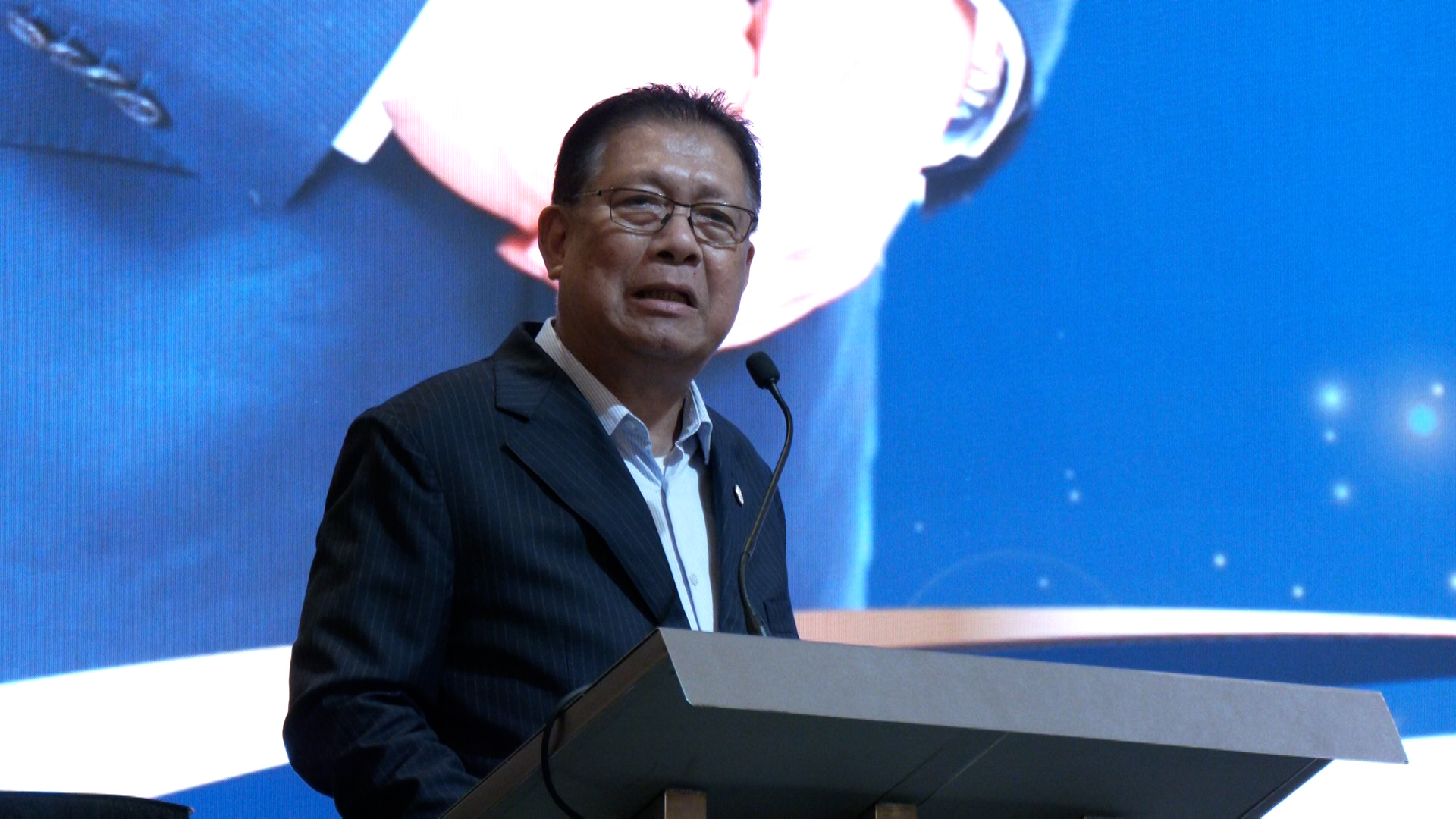
He said this in the text of a speech read by Councillor, Kelvin Chia at the inaugural meeting of Media and Information Literacy Week 2026 during Global Media and Information Literacy Week 2026 at Sarawak State Library, Miri, here today.
In this regard, he stressed the importance of critical thinking, the ability to review information sources and the ethical use of technology to ensure that society is not easily influenced by confusing content.
Clearly, the "Click, Tap, Convert" approach emphasized through the programme is appropriate practice in the use of digital media, particularly to prevent the spread of false information and cybersecurity threats.
"Before we click a link, we need to make sure it's safe. Before receiving any information, we need to tap and evaluate its authenticity.
"And before we share any news, we need to think about the impact it has on individuals, societies and nations", he explained.
Sebastian added that efforts to develop Miri as a progressive and technology-friendly city need to be supported by increasing the community's ability to use information wisely.
He said that the responsibility of forming a media free society is not only on one side, but also requires the cooperation of parents, educational institutions, media practitioners, government agencies and community organizations. - TVS


 English (US) ·