


 46 minutes ago
4
ADVERTISE HERE
KUCHING: Industrial parks need more than factory space to support Malaysia’s RM587.5 billion manufacturing value-added target by 2030.

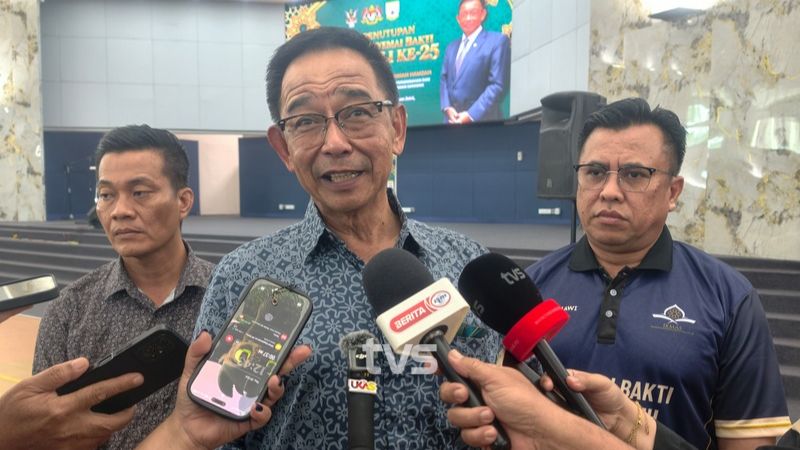
Setia Awan Land Sdn Bhd director Datuk Marcus Doh said industrial developments needed to accommodate the wider operational and workforce requirements of manufacturers rather than concentrate solely on land and infrastructure.
He said manufacturing accounted for 23 per cent of Malaysia’s gross domestic product (GDP) in 2025 and was growing at an annual rate of 4.5 per cent.
“The government is targeting an increase in manufacturing value added to RM587.5 billion by 2030 from RM364.1 billion in 2022,” he added.
He said achieving the target would require more than additional factory capacity, with greater emphasis on economic complexity, high-value employment, stronger domestic industry linkages and environmental, social and governance (ESG) integration.
“These priorities depended on stronger industrial clusters and the wider network of businesses, services and facilities supporting them.”
The New Industrial Master Plan 2030 (NIMP 2030), he noted, identified six core goals, including the development of new and existing industrial clusters.
However, he said achieving the plan’s objectives would depend on how effectively national industrial policies were implemented at the local level.
“Industrial developments have traditionally competed on land costs, infrastructure, utilities and connectivity, but manufacturers were increasingly considering other factors when choosing locations.
“These included proximity to suppliers, logistics hubs and customers within the same industrial cluster, which he said could improve operational efficiency.
“Workforce considerations are also important, particularly access to housing, transport, schools and everyday amenities that could help companies attract and retain employees.”
Doh said businesses also look at commercial and support services that could ease daily operations for employees, suppliers and vendors.
“Manufacturers were looking for locations capable of accommodating expansion, new technologies and changing operational requirements over time.”
He identified Tanjong Malim in Perak as an example of how national industrial policy and local development initiatives could support the growth of a broader manufacturing cluster.
He pointed to the district’s growing automotive and electric vehicle (EV) activities, including Proton’s dedicated EV assembly plant, which began operations in September 2025.
“Following an expansion announced in 2026, Proton is targeting an increase in its annual EV assembly capacity from 20,000 units to 45,000 units, he said.
“The Automotive Hi-Tech Valley project, together with the emergence of other automotive players and industrial developments, was contributing to Tanjong Malim’s growing automotive and manufacturing activities.”
He said other automotive players were assessing plans for potential new CKD facilities, while investments from other industrial manufacturers had also recently been announced.
“These developments are broadening the district’s industrial base across automotive manufacturing, advanced manufacturing and supporting industries,” he added.
He also highlighted the Muallim Speed Lane initiative, which was designed to facilitate investment through faster approval processes and improve the ease of doing business for companies establishing operations in the district.
“However, the expansion of industrial activities needed to be accompanied by supporting facilities capable of meeting the future requirements of manufacturers and highly skilled workers.”
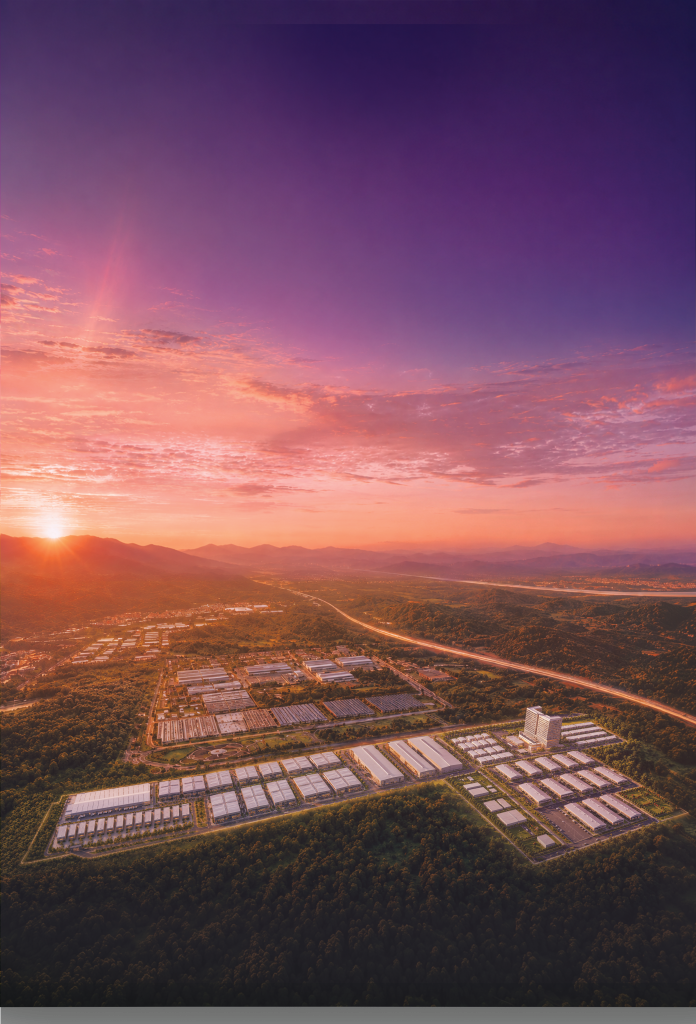
He cited Setia Awan Land’s Tanjong Malim Hi-Tech Park (TMHTP) as an example of how industrial developments could incorporate these considerations while supporting the objectives of NIMP 2030.
Doh, who led the project’s inception, said TMHTP was conceived to take a different approach from other industrial developments in the vicinity by integrating industrial land with commercial amenities and supporting services.
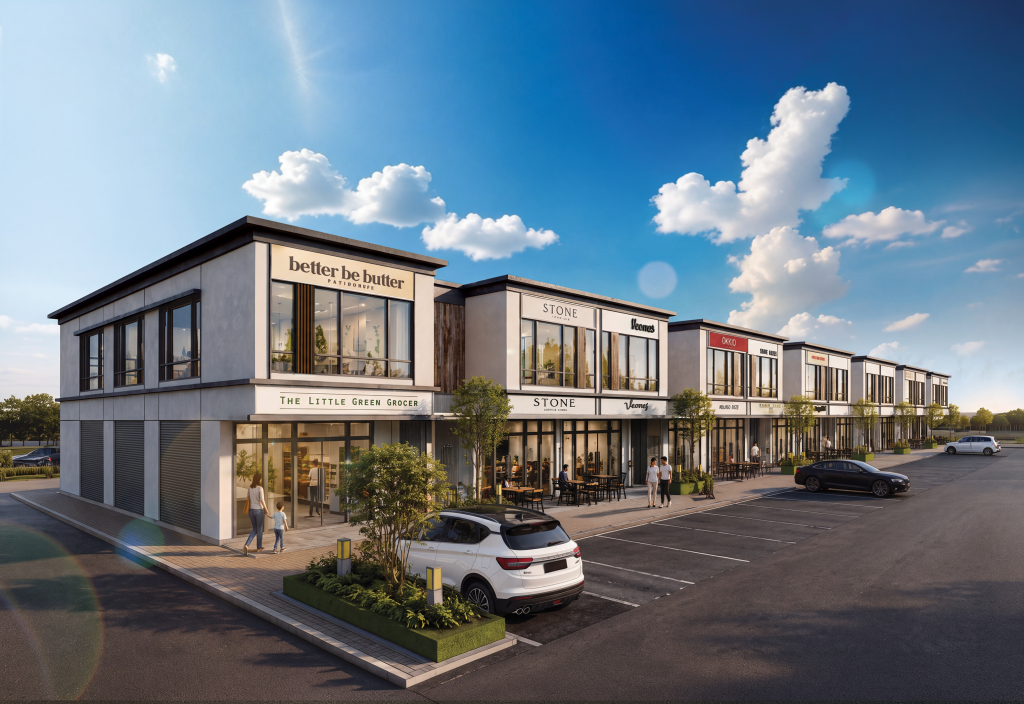
“The development’s commercial component, Ionera, is intended to provide everyday services and amenities for businesses, employees and visitors within the industrial community.”
He said Ionera’s masterplan placed high technology, sustainability and green energy among its priorities, including solar panels and EV charging stations.
He also identified an anchor grocer, modern cafes and other daily amenities among Ionera’s features intended to support the industrial community.
He said the commercial component was central to the planning of TMHTP because the environment surrounding factories increasingly mattered to businesses and their workforce.
“We did not see it simply as an ancillary development; in fact, it is core infrastructure,” he said.
Doh explained that incorporating commercial and lifestyle facilities into industrial developments was a priority when conceptualising TMHTP, particularly to address challenges in attracting and retaining talent.
“The approach could also strengthen domestic business linkages and support local supply chains, in line with the objectives of NIMP 2030.”
He added that Setia Awan Land’s previous projects had emphasised connected living, with TMHTP extending the concept to industrial development.
“Integrated planning requires masterplans that co-locate industrial, commercial and residential components to reduce commute times, enhance productivity and improve quality of life,” he said.
As Malaysia worked towards its 2030 industrial ambitions, he said developers needed to consider the longer-term requirements of industrial developments.
“The question for policymakers, developers, and investors is whether today’
industrial environments are being planned only for immediate requirements or for the future needs of businesses, technologies, and the workforce,” he said.




 English (US) ·