


 1 hour ago
2
ADVERTISE HERE
From a historic mosque and halal-certified restaurants to Muslim-friendly shopping and cultural attractions, Macao offers a different side of the city that deserves greater attention from visitors.
MACAO: For Muslim travellers, discovering a new destination involves more than choosing attractions, finding comfortable accommodation or planning a shopping itinerary. It also means knowing where to find halal food, perform daily prayers and enjoy a holiday without compromising religious practices.
In Macao, a city widely associated with its spectacular casinos, luxury resorts and international shopping brands, these considerations offer a different perspective on what the destination has to offer.
A four-day, three-night visit to the city revealed that beyond its familiar image as one of the world’s major gaming and entertainment centres, Macao has several places that can help Muslim visitors navigate their stay with greater convenience.
From the peaceful surroundings of Macau Mosque and Cemetery to halal-certified restaurants serving Chinese Muslim cuisine and contemporary international dishes, there are options for travellers seeking to balance sightseeing with their dietary and religious needs.
There are also shopping opportunities for those looking to bring home local delicacies and souvenirs, while historic landmarks provide a glimpse into Macao’s distinctive cultural heritage.
For visitors from Malaysia and Indonesia, where Islam is widely practised, such facilities can make a meaningful difference when planning an overseas holiday.
Although Muslims form a minority of Macao’s population, the availability of selected prayer facilities and halal dining establishments suggests that Muslim travellers need not overlook the destination simply because it is better known for its casinos.
However, becoming a genuinely Muslim-friendly destination involves more than having a handful of suitable establishments. Clear information, accessible prayer facilities, reliable halal certification and greater awareness among tourism operators remain important in helping visitors plan their journeys with confidence.
The experience in Macao offers a closer look at how travellers can explore the city’s many attractions while considering these practical needs.
A moment of peace at Macau Mosque
Amid the busy schedule of exploring a foreign city, Macau Mosque and Cemetery provided an opportunity to step away from the usual tourist itinerary and make time for prayer.
Known in Portuguese as Mesquita e Cemitério de Macau, the mosque is a significant place for Muslims living in and visiting the city.
For travellers accustomed to seeing mosques and surau in residential neighborhoods, shopping centres and public facilities in Malaysia and Indonesia, finding a place to pray in a destination where Muslims are a minority can be a different experience.
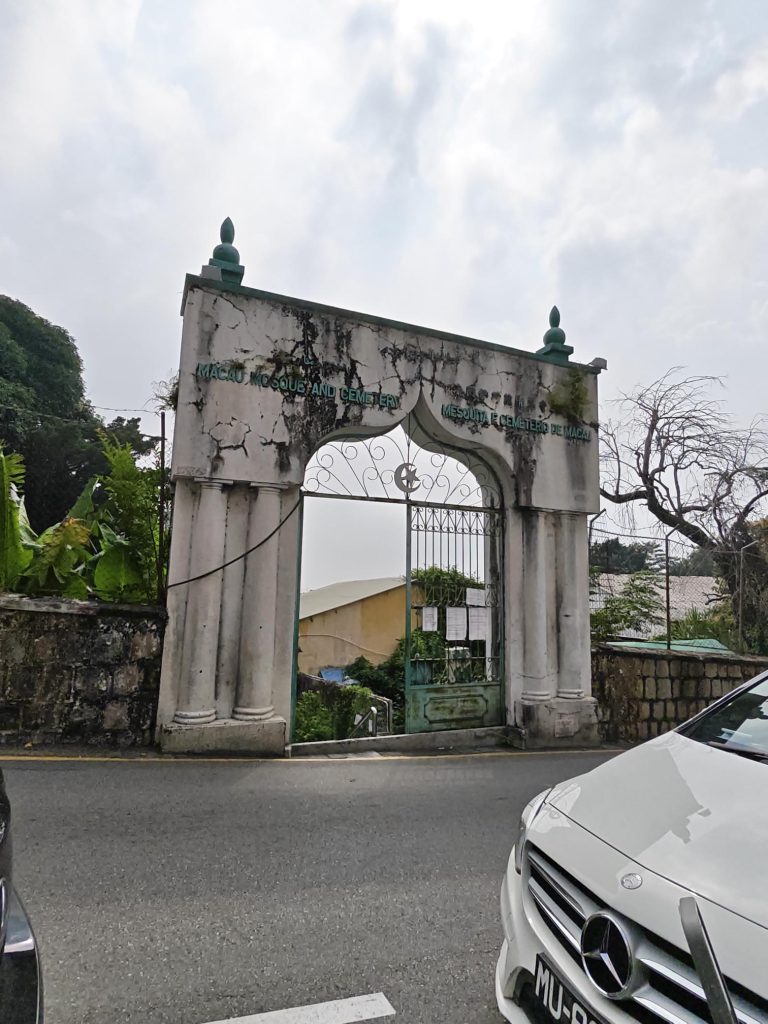 Mesquita e Cemitério de Macau is the only mosque and Muslim cemetery in Macau.
During the visit, the opportunity to perform the tahiyatul masjid prayer, a recommended prayer performed upon entering a mosque, offered a welcome pause between sightseeing activities.
The experience was a reminder that travelling is not only about visiting famous landmarks, taking photographs or discovering new food. For Muslim visitors, being able to maintain their daily religious practices is also an important part of the journey.
The mosque offered a space for reflection and prayer away from the crowds and commercial activity that characterise many of Macao’s popular tourist areas.
Its presence also highlights a lesser-known aspect of the city: while the surrounding destination is often promoted through entertainment, luxury hospitality and shopping, there are places that cater to the spiritual needs of its Muslim community.
For Malaysian travellers planning a visit, including the mosque in an itinerary could be worthwhile, particularly for those who prefer to identify prayer locations before leaving their accommodation.
Visitors should check the mosque’s current location details, accessibility and visiting arrangements before travelling there. It is also advisable to plan the visit around prayer times and allow sufficient time for transportation.
The experience may be relatively simple, but having access to a dedicated place of worship can provide reassurance for travellers who want to explore a destination without putting their religious routines entirely aside.
MinM Plaza
After making time for prayer, the journey continued into one of Macao’s most recognisable historic districts, where shopping for souvenirs can easily be combined with sightseeing.
Located at Rua de São Domingos No. 1, beside St Dominic’s Church, MinM Plaza is conveniently positioned near Senado Square and the Ruins of St Paul’s.
The location makes it a practical stop for visitors exploring Macao’s historic centre on foot, as several well-known landmarks and shopping streets can be visited within the same outing.
Senado Square, with its distinctive Portuguese-inspired architectural character and patterned pavement, provides a setting for visitors to experience the city’s historical influences. Meanwhile, the Ruins of St Paul’s remain among Macao’s most recognisable landmarks and are a popular stop for photographs.
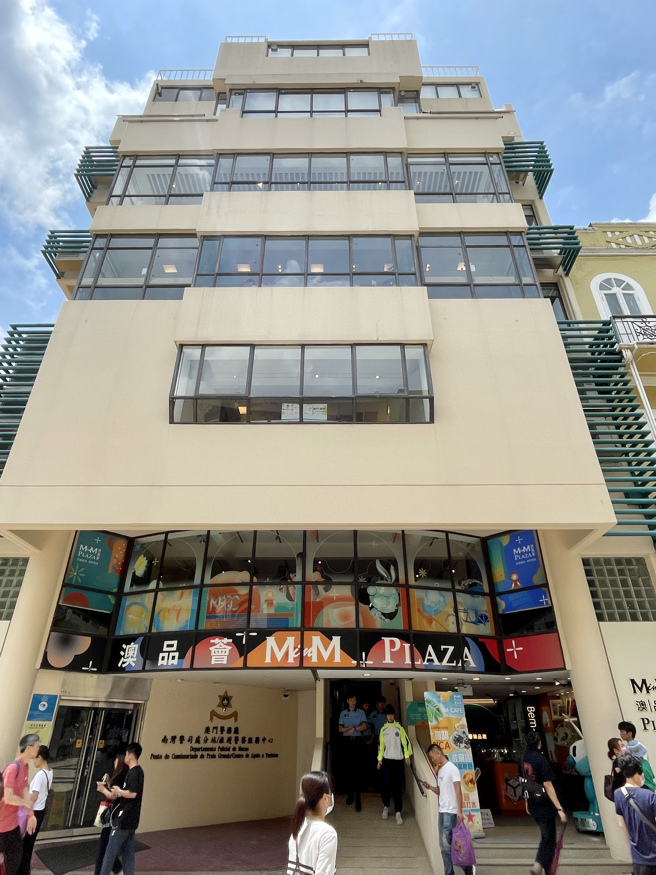 MinM Plaza
For travellers hoping to bring home something for family and friends, MinM Plaza offers a selection of products, including snacks such as almond cookies, a familiar souvenir associated with Macao.
The cookies are often purchased as gifts because they are easy to carry and suitable for sharing with relatives, colleagues and friends after a holiday.
For Muslim visitors, however, souvenir shopping may involve an additional consideration: checking whether food products meet their dietary requirements.
A shop offering products marketed towards Muslim consumers does not necessarily mean every item on its shelves is halal-certified. Ingredients, preparation methods and certification status can vary between products, particularly when shopping for packaged snacks.
Travellers who require halal-certified products should therefore examine the packaging and look for recognised certification information rather than relying solely on a shop’s general product selection.
Where information is unclear, asking the retailer for clarification is a sensible step before making a purchase.
Nevertheless, the convenience of the location makes MinM Plaza worth considering as part of a broader sightseeing itinerary.
Visitors can browse the shop, explore nearby souvenir outlets, enjoy the atmosphere of Senado Square and continue towards the Ruins of St Paul’s without having to make separate trips across the city.
This combination of shopping and cultural exploration illustrates how a Muslim-friendly itinerary can also accommodate the interests of travellers who want to experience Macao’s history and local character.
EL&N London
For travellers seeking a more contemporary dining experience, EL&N London offers a different atmosphere from the more traditional setting of a regional Chinese restaurant.
Located at Shop 215, Level 2, Grand Lisboa Palace Resort, West Entrance, Rua do Tiro, Cotai, the restaurant is an option for visitors exploring Macao’s modern resort district.
Its colourful interior and visually distinctive design create an environment suited to diners who enjoy taking photographs, sharing travel experiences on social media or simply relaxing in an attractive café setting.
For younger visitors and families, the restaurant offers an opportunity to combine a meal with a leisurely stop in one of the city’s contemporary hospitality developments.
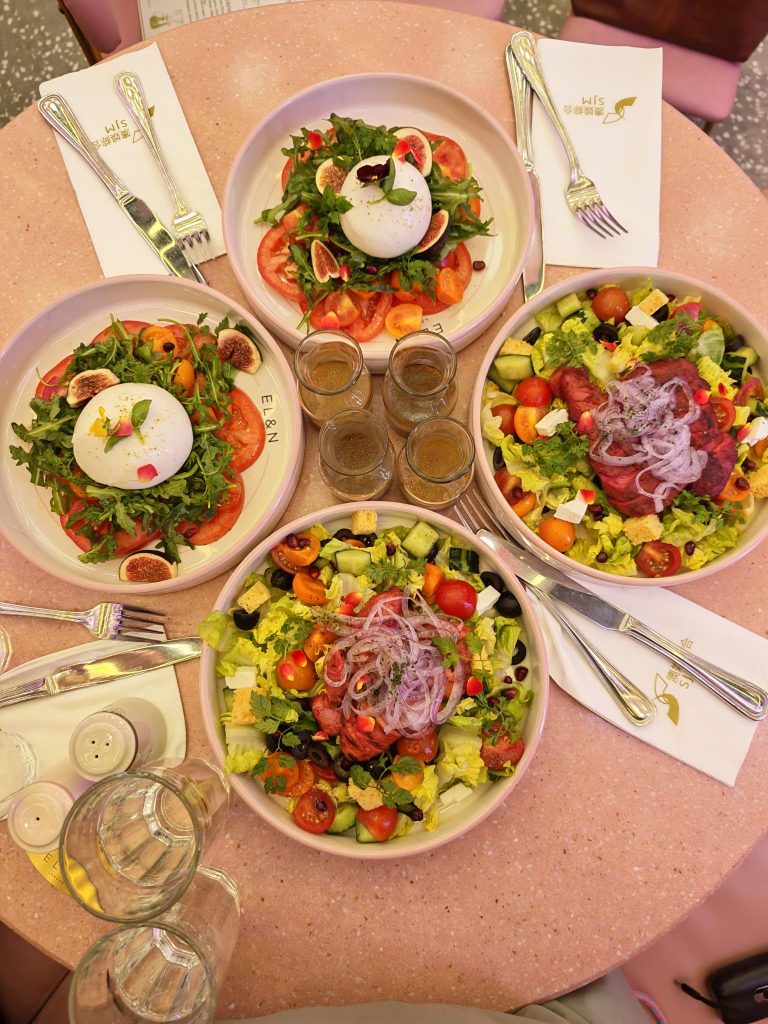 Food serves at EL&N London restaurant.
The establishment was identified during the visit as holding halal certification, making it another option for Muslim travellers who want to explore different dining styles while observing their dietary requirements.
During the visit, the dishes and drinks sampled included Mediterranean Chicken Salad, EL& N London Burger, matcha rose latte and Pistachio matcha rose cake.
The selection provided a mixture of savoury dishes and sweet treats, offering an alternative to the regional cuisine available at EL & N Restaurant.
The menu’s variety may appeal to groups with different preferences, particularly when travelling with friends or family members who want to enjoy a relaxed meal in a modern setting.
For Muslim visitors, however, the restaurant’s appeal extends beyond its interior design and menu. The availability of a halal-certified dining establishment within a major resort complex can make planning a meal more straightforward.
Travellers should still check the current certification information and confirm that the certification covers the establishment and relevant food offerings at the time of their visit.
This is especially important for visitors who rely on formal halal certification rather than making decisions based solely on menu descriptions.
Its location in Grand Lisboa Palace Resort also makes it possible to combine dining with other activities around the property, depending on opening hours and access arrangements.
Visitors can explore the surrounding resort environment, enjoy the architecture and hospitality facilities, or incorporate the restaurant into a wider Cotai itinerary.
The experience highlights another dimension of Muslim-friendly tourism: suitable options do not necessarily have to be limited to traditional restaurants or establishments specifically associated with Muslim communities.
With clear certification and appropriate information, contemporary dining venues can also form part of a comfortable travel experience for Muslim visitors.
Macao’s Muslim-friendly ambitions
The availability of a mosque, halal-certified restaurants and selected shopping options suggests that Muslim travellers have several practical choices when visiting Macao.
However, the experience also raises a broader question about what it takes for a destination to become genuinely welcoming to visitors with different religious needs.
Finding a halal restaurant is one consideration. Knowing where to pray while sightseeing, understanding the availability of prayer facilities in public areas, identifying reliable halal information and communicating dietary requirements are equally important.
These considerations can influence how comfortably visitors move around a destination, especially those travelling independently rather than joining organised tours.
For travellers from Malaysia and Indonesia, where halal food and prayer facilities are often readily accessible, the amount of advance planning required overseas may differ considerably from their usual routines.
Clear information can help reduce uncertainty and encourage visitors to explore more of a destination beyond the places already familiar to Muslim travellers.
 Jenny Kuo
During the visit, Jenny Kuo, a public relations executive with the Macao Government Tourism Office (MGTO), said the tourism authority supported efforts to welcome Muslim visitors and was working towards improving its understanding of their needs.
“We support Muslim visitors coming here. We are preparing many things, including halal restaurants. Our staff are also learning a lot about Muslims,” she said.
Her remarks point to the importance of tourism personnel understanding the needs of different visitor groups, including their expectations around food, prayer and hospitality.
Such awareness can be useful across the tourism sector, from hotel staff and tour operators to restaurant employees and frontline service providers.
For instance, staff who understand halal requirements can provide clearer information about suitable menu options, while tourism personnel familiar with prayer facilities can help visitors plan their activities more effectively.
Nevertheless, awareness must be supported by reliable information and practical facilities if the destination is to meet visitors’ expectations consistently.
A restaurant may provide halal-certified food, for example, but visitors may still need to travel elsewhere to find a prayer space while visiting attractions.
Similarly, the presence of a mosque does not automatically mean that prayer facilities are convenient in every shopping district, tourist attraction or transport hub.
For Muslim visitors, these practical details can influence decisions about where to stay, which attractions to visit and how much time to allocate for travelling between locations.
Improving access to accurate, updated information about halal establishments and prayer facilities could therefore help visitors plan their itineraries more efficiently.
Clear communication about certification is also essential. Travellers should be able to distinguish between formally halal-certified establishments, restaurants that offer selected dishes suitable for Muslim customers and shops that sell products intended for Muslim consumers.
These distinctions help visitors make informed decisions according to their own requirements and level of observance.
Macao’s existing options provide a starting point, while further improvements in information, accessibility and service awareness could make the destination easier to navigate for a broader range of Muslim travelers.
Ultimately, Muslim-friendly tourism is not simply about attracting a particular market. It is also about understanding different visitors and providing practical support so they can enjoy a destination with confidence.
Exploring Macao beyond its famous casinos
For many international visitors, Macao is associated with its large casinos, luxury hotels, shopping complexes and entertainment attractions.
Yet the city’s appeal extends beyond its modern resort developments.
Its historic centre, architectural influences, distinctive food culture and mix of traditional streets and contemporary attractions offer opportunities for travellers to discover a different side of the destination.
For Muslim visitors, these experiences can be incorporated into an itinerary that also accounts for halal meals and prayer times.
A visit to Macau Mosque, for example, can be planned around sightseeing activities on the Macao Peninsula. A stop at MinM Plaza can be combined with a walk through Senado Square and a visit to the Ruins of St Paul’s.
Meanwhile, EL&N London offers an alternative dining experience for those exploring Cotai’s resort developments.
Planning these stops in advance can help visitors avoid unnecessary travel between locations and make better use of their time.
It is also worth remembering that Macao’s attractions may be spread across different districts. Visitors should consider travel time, transport options and opening hours before attempting to cover too many places in a single day.
Those travelling during busy periods may benefit from allowing additional time for transport and queues at popular attractions.
For Muslim travellers, the itinerary should also remain flexible enough to accommodate daily prayers and meal breaks without turning the holiday into an overly demanding schedule.
Rather than trying to visit every attraction, a balanced itinerary can provide a more enjoyable experience by allowing time to appreciate the destination’s history, food and atmosphere.
The key is to approach Macao with an open mind and recognise that its identity is not defined by a single industry.
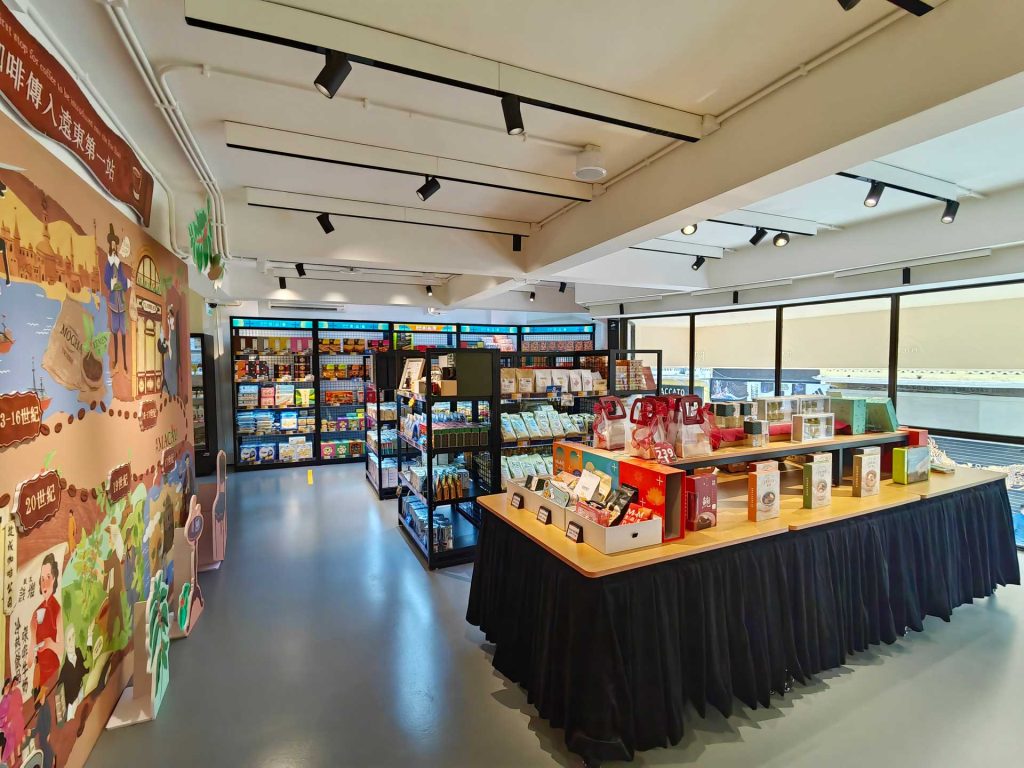 Souvenir hunters in Macao’s historic quarter may stop by at MinM Plaza to shop for some merchandise.
Travelling to Macao from Malaysia
For travellers from Malaysia, one possible route to Macao is to fly from Kuala Lumpur to Macao city, whereas for Sarawak and Sabah should have a flight from Kuching or Kota Kinabalu to Kuala Lumpur before continuing from Kuala Lumpur to Macao with AirAsia.
Based on the journey undertaken during the visit, the flight from Kuching to Kuala Lumpur took approximately one hour and 40 minutes, while the onward flight from Kuala Lumpur to Macao took around four hours.
The combined flying time was therefore around six hours, excluding transit time, airport procedures and any waiting period between flights.
However, actual travel times and available flight schedules may vary according to the date, airline operations and the specific itinerary selected.
Travellers should check current schedules and connection arrangements before booking, particularly when purchasing separate flights or allowing only a short interval between connecting services.
Malaysian visitors should likewise review the available flight options and compare schedules, fares and arrival times before making travel arrangements.
Before departure, visitors should also confirm the latest entry requirements applicable to their nationality, passport validity requirements and any other travel documentation required by the relevant authorities.
For Muslim travellers, advance planning can extend beyond flights and accommodation.
Identifying halal-certified restaurants, checking the location of the mosque, noting available prayer spaces and keeping a flexible daily schedule can help make the holiday more comfortable.
It is also advisable to keep important travel information readily accessible, including accommodation details, transport arrangements and contact information for establishments planned for a visit.
These preparations can reduce the uncertainty associated with travelling to a destination where Muslim facilities may not be as widely available as they are at home.
A destination with more than one story to tell
Macao’s appeal lies partly in the contrast between its different identities.
Its luxury resorts and entertainment developments attract visitors from around the world, while its historic streets, architectural heritage and varied dining scene offer other reasons to explore the city.
For Muslim travellers, the discovery of a mosque, halal-certified restaurants and selected shopping options adds another dimension to the experience.
The four-day, three-night visit showed that it is possible to build an itinerary around sightseeing and dining while making time for religious practices.
At the same time, the experience highlighted the importance of clear halal information, accessible prayer facilities and greater awareness among tourism operators.
Macao’s efforts to welcome Muslim visitors are encouraging, but consistent information and practical support remain important if the destination hopes to make travel easier for people with different needs.
For visitors from Malaysia and Indonesia, the city offers an opportunity to look beyond its familiar image and experience its cultural and culinary diversity from a different perspective.
A holiday does not have to be measured solely by the number of attractions visited or photographs taken. Sometimes, the most memorable experiences come from discovering a place that feels unexpectedly welcoming, finding a meal that brings a sense of familiarity or having a quiet moment to pray in an unfamiliar city.
Beyond the bright lights of its casinos and the grandeur of its hotels, Macao has another story to tell one shaped by its history, its people and its gradual efforts to welcome travellers from different backgrounds.
For Muslim visitors willing to plan ahead, that story may be well worth discovering.




 English (US) ·